Vietnam Safety Tips: Transport, Health & Scams Guide
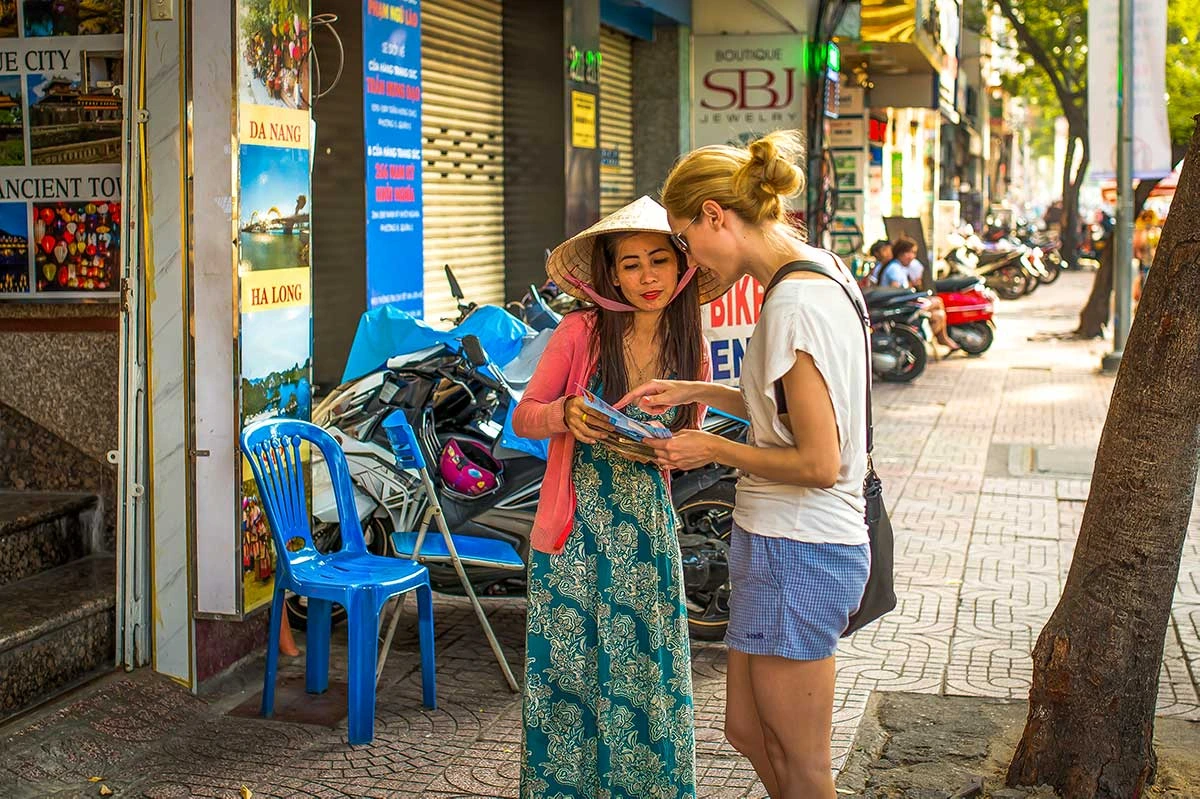
Vietnam is generally a very safe destination for travelers, with low rates of violent crime. However, chaotic traffic, petty theft in big cities, and food safety issues can catch visitors off guard. Follow these essential tips to ensure a smooth and safe trip.
Table of Contents
1. Transport & Road Safety
Traffic in Vietnam, especially in Hanoi and Ho Chi Minh City, is famous for being overwhelming. Motorbikes are everywhere.
Grab App
Download "Grab" immediately. It's the Uber of Southeast Asia. You can book cars or motorbike taxis for a fixed price, avoiding scams and language barriers.
Crossing Streets
The golden rule: Walk steadily and predictably. Do not run, and do not stop suddenly. Motorbike drivers will anticipate your movement and flow around you like water.
Motorbike Rentals
Only ride if you are experienced and licensed (IDP required). Always wear a helmet—it's the law. Accidents are the #1 risk for tourists.
Sleeper Buses
A cheap way to travel between cities. Keep your valuables in a small bag with you in your bunk, not in the luggage hold.
2. Health & Food Safety
Don't let "Bali Belly" ruin your Vietnam trip. A few precautions go a long way.
Water
Drink bottled water only. Avoid tap water, even for brushing teeth if you have a sensitive stomach. Ice in restaurants is usually safe (cylindrical machine ice), but avoid chipped block ice.
Street Food
Eat where the locals eat! High turnover means fresh food. Ensure food is cooked piping hot in front of you. See our Food Guide for more.
Medical
Pharmacies (Nhà Thuốc) are common and easy to access. For serious issues, go to international hospitals like FV Hospital or Vinmec in major cities.
Mosquitoes
Dengue fever is a risk. Use insect repellent (DEET) generously, especially at dawn and dusk.
3. Connectivity & Money
- SIM Card: Buy a Viettel or Vinaphone SIM card at the airport upon arrival. It is cheap (approx $10-$15) and gives you reliable 4G data nationwide.
- Cash is King: While malls accept cards, street vendors and small shops only take cash (VND). Keep small notes for taxis.
- ATMs: Withdraw cash from ATMs (like VPBank, Citibank, or HSBC) to avoid high fees. Inform your bank before travel.
⚠ Common Scams to Avoid
- The Cyclo Scam: Agree on a price firmly before getting on. Better yet, book a tour.
- Shoe Shine: In Hanoi, someone might point at your shoes and try to clean/glue them without asking, then demand a high fee. Firmly say "No".
- Phone Snatching: Do not hold your phone loosely by the roadside. Drive-by snatchings on motorbikes can happen. Step inside a shop to check maps.
- Fake Taxis: Stick to trusted brands like Mai Linh (Green) or Vinasun (White/Red/Green), or just use Grab.
Frequently Asked Questions
Yes, Vietnam is generally very safe for solo female travelers. Violent crime is rare. However, stick to well-lit areas at night and dress modestly when visiting temples to respect local culture.
Police: 113, Fire: 114, Ambulance: 115. Note that English operators may not always be available; contacting your embassy or a hotel receptionist is often faster.
Officially, no. You must use Vietnamese Dong (VND). However, USD is widely accepted for Visa on Arrival fees at airports and sometimes in large hotels.
Only if you are experienced. Vietnam's traffic is chaotic. If you do ride, ensure you have an International Driving Permit (IDP) and always wear a helmet. Check if your travel insurance covers motorbike accidents.
Ready for a Safe Trip?
Don't forget the most important safety step: Traveling with a valid visa.
Apply for Vietnam Visa Now